Exalt XLR8
Innovation Project
Exalt XLR8 is a speculative product concept that reimagines amateur motorbike racing through an AI-powered helmet and companion app. It creates a continuous feedback loop to help riders sharpen their skills, track progress, and prepare for the leap toward professional racing, like MotoGP.
Looking ahead, the helmet’s head-up display (HUD) is designed to evolve alongside emerging brain–computer interface (BCI) technology—opening new possibilities once BCIs reach mainstream consumer and entertainment spaces.
Within three months, the project became an Indigo Design Awards Winner for excellence in Product & Gadget Design, recognizing its forward-thinking vision in hardware innovation and human performance augmentation.
Info
Digital Helmet Prototype
Final Product

Head-Up Display
Final Product
First Iteration
Final Iteration
Mobile App
Final Product

Small-Scale Helmet
Final Product
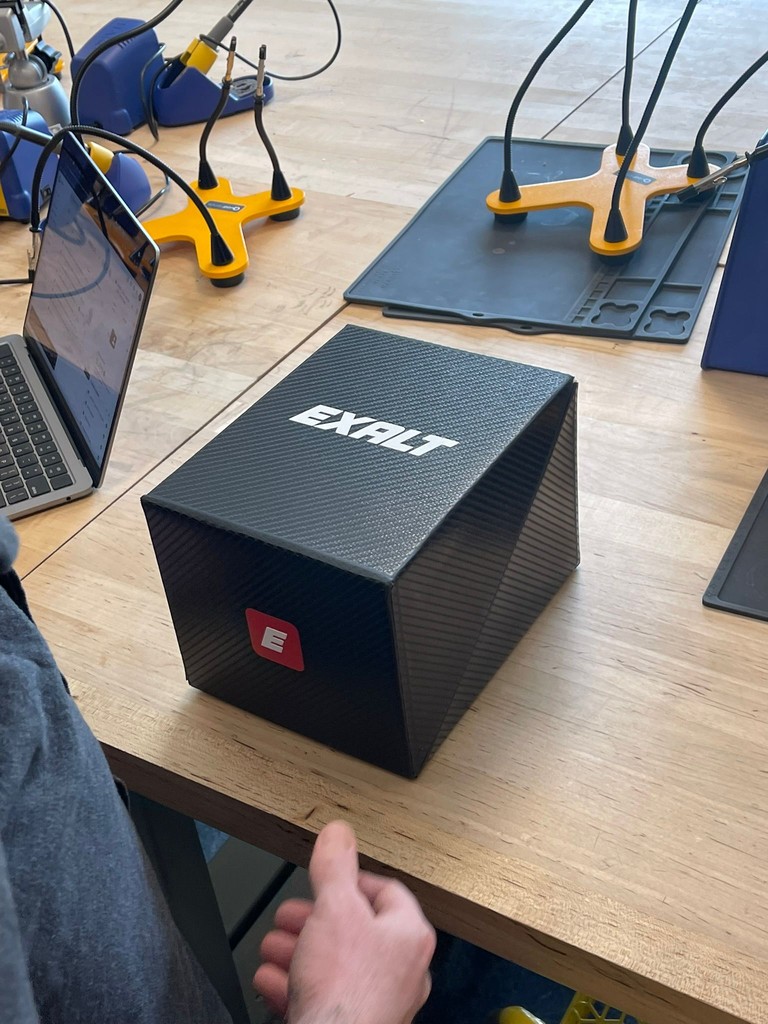
Packaging Design
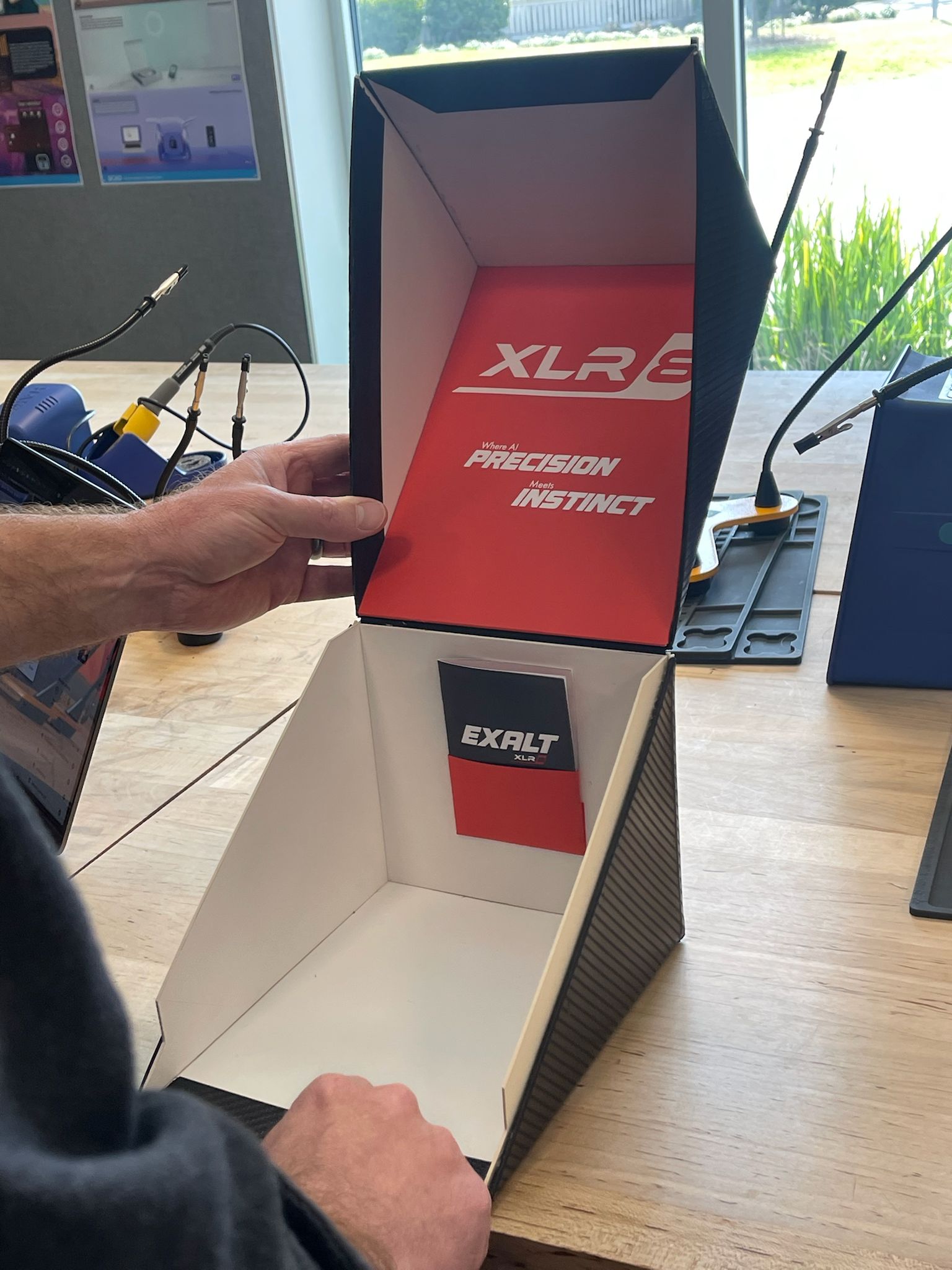
Interior
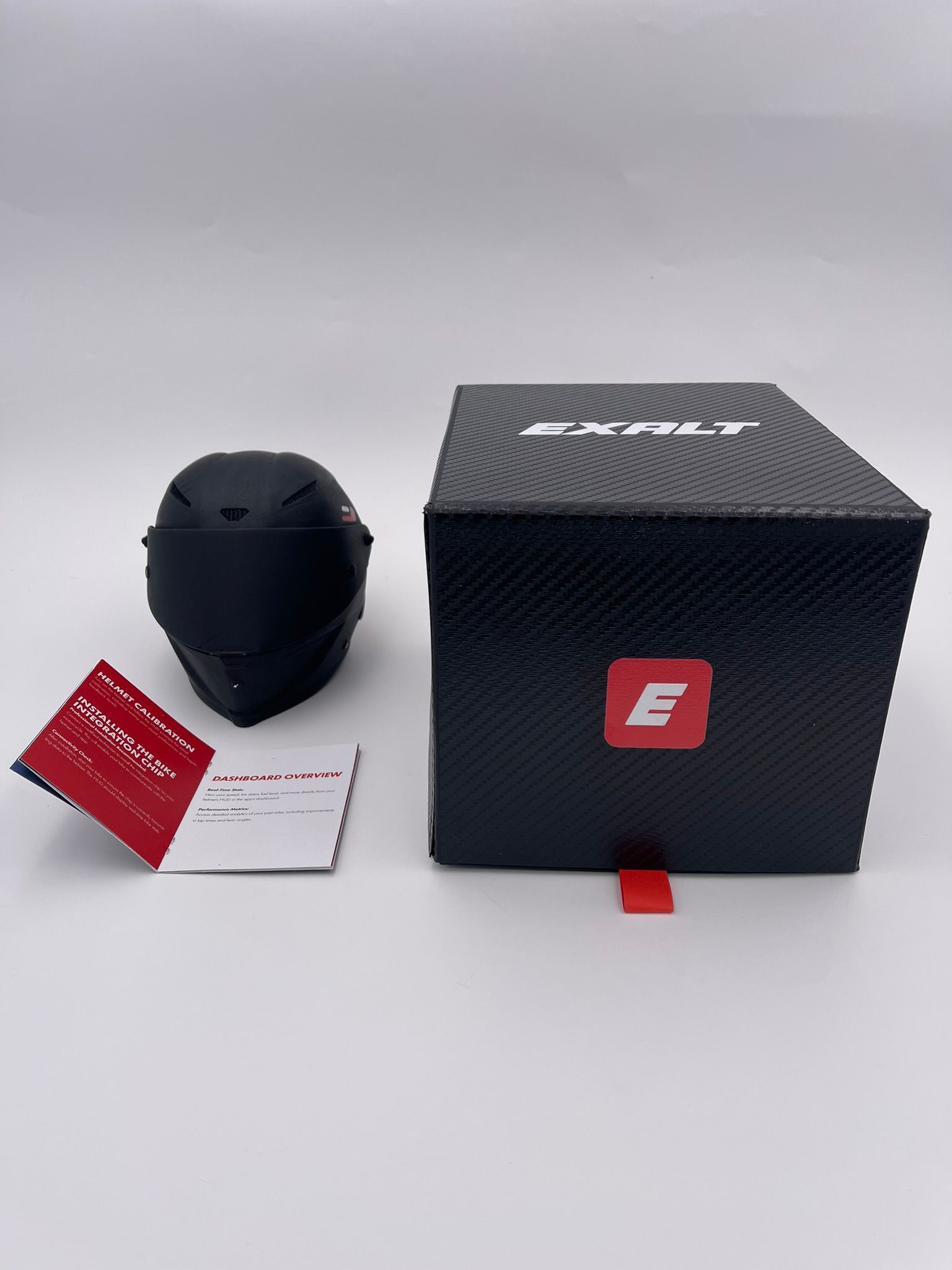
Small Scale Prototyping
The Challenge
Research
The Problem
Amateur motorbike racers face significant challenges in optimizing their performance, safety, and community engagement due to the lack of access to personalized training, real-time feedback, and a centralized platform for connectivity. These challenges hinder their ability to excel on the track and limit their potential for growth and development in the racing community.
The Problem
Amateur motorbike racers face significant challenges in optimizing their performance, safety, and community engagement due to the lack of access to personalized training, real-time feedback, and a centralized platform for connectivity. These challenges hinder their ability to excel on the track and limit their potential for growth and development in the racing community.
The Problem
Amateur motorbike racers face significant challenges in optimizing their performance, safety, and community engagement due to the lack of access to personalized training, real-time feedback, and a centralized platform for connectivity. These challenges hinder their ability to excel on the track and limit their potential for growth and development in the racing community.
Why This Matters
Racing Motorcycle as a career demands both passion and discipline, but without accessible feedback and guidance, many talented riders struggle to grow. This project explores how technology can close that gap, making professional-level training and improvement more accessible to amateurs.
Why This Matters
Racing Motorcycle as a career demands both passion and discipline, but without accessible feedback and guidance, many talented riders struggle to grow. This project explores how technology can close that gap, making professional-level training and improvement more accessible to amateurs.
Why This Matters
Racing Motorcycle as a career demands both passion and discipline, but without accessible feedback and guidance, many talented riders struggle to grow. This project explores how technology can close that gap, making professional-level training and improvement more accessible to amateurs.
The Solution
With Exalt XLR8 we designed a wearable system that pairs seamlessly with both the motorcycle and a companion app. The goal was to keep it as unintrusive as possible, maintaining familiarity with existing helmets while introducing new layers of support. The system enhances training through continuous feedback, guided coaching, and a HUD that delivers essential race data — all integrated into a platform that strengthens both individual performance and community connection.
The Solution
With Exalt XLR8 we designed a wearable system that pairs seamlessly with both the motorcycle and a companion app. The goal was to keep it as unintrusive as possible, maintaining familiarity with existing helmets while introducing new layers of support. The system enhances training through continuous feedback, guided coaching, and a HUD that delivers essential race data — all integrated into a platform that strengthens both individual performance and community connection.
The Solution
With Exalt XLR8 we designed a wearable system that pairs seamlessly with both the motorcycle and a companion app. The goal was to keep it as unintrusive as possible, maintaining familiarity with existing helmets while introducing new layers of support. The system enhances training through continuous feedback, guided coaching, and a HUD that delivers essential race data — all integrated into a platform that strengthens both individual performance and community connection.
Target Audience
Research
Amateur motorbike racers, often constrained by limited resources to fund a dedicated team, face challenges in accessing desired real-time feedback and personalized training routines tailored to their specific needs, preventing them from optimizing their racing potential.
Despite financial constraints, these racers showcase unmatched determination and a genuine love for the sport. Many operate as independent racers, managing their own race strategies, logistics, and training routines.
Amateur Motorbike Racers
Amateur motorbike racers, often constrained by limited resources to fund a dedicated team, face challenges in accessing desired real-time feedback and personalized training routines tailored to their specific needs, preventing them from optimizing their racing potential.
Despite financial constraints, these racers showcase unmatched determination and a genuine love for the sport. Many operate as independent racers, managing their own race strategies, logistics, and training routines.
Amateur Motorbike Racers
Amateur motorbike racers, often constrained by limited resources to fund a dedicated team, face challenges in accessing desired real-time feedback and personalized training routines tailored to their specific needs, preventing them from optimizing their racing potential.
Despite financial constraints, these racers showcase unmatched determination and a genuine love for the sport. Many operate as independent racers, managing their own race strategies, logistics, and training routines.
Amateur Motorbike Racers
Early Ideation
Prototypes
We began by imagining how the helmet visor could act as more than just physical protection — but as an intelligent layer of augmented awareness. The core question was:
“How can the visor deliver high-value feedback without pulling the racer’s attention away from the track?”
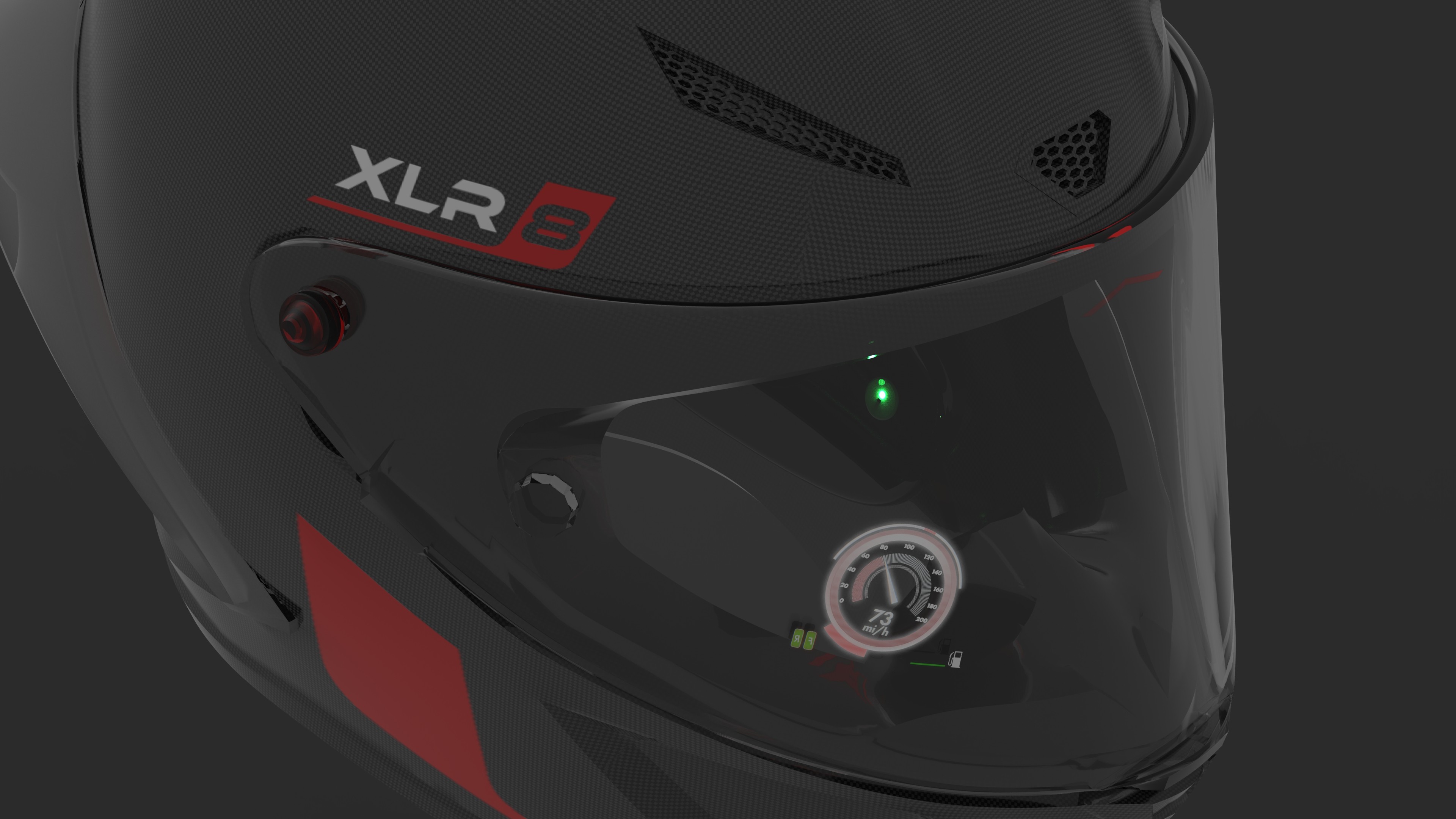
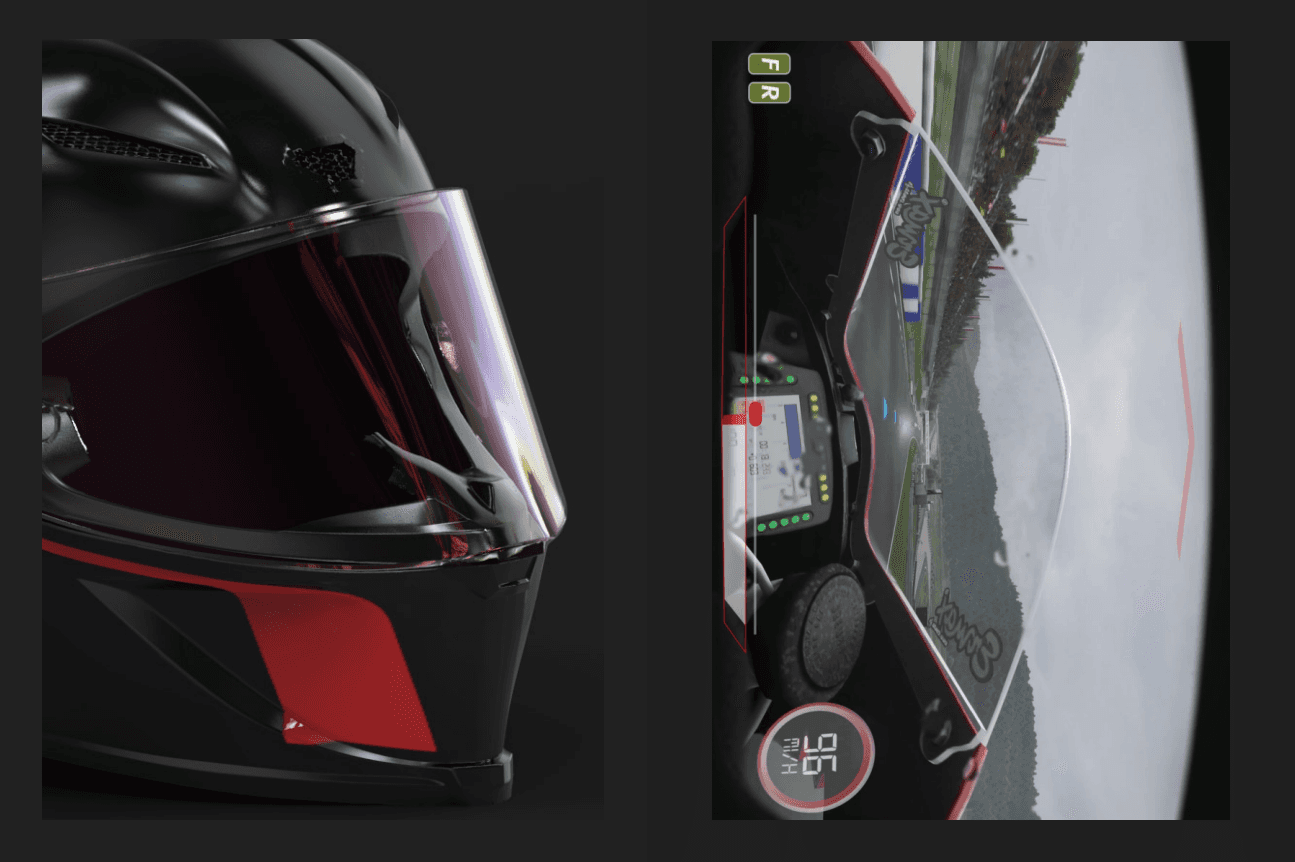
Our early ideation focused on preserving focus first — every visual element had to justify its presence. This led to a HUD that behaves more like a situational assistant than a constant overlay. Graphics only surface when they are contextually needed, and fade out once processed by the rider.
Head-Up Display
We began by imagining how the helmet visor could act as more than just physical protection — but as an intelligent layer of augmented awareness. The core question was:
“How can the visor deliver high-value feedback without pulling the racer’s attention away from the track?”
Our early ideation focused on preserving focus first — every visual element had to justify its presence. This led to a HUD that behaves more like a situational assistant than a constant overlay. Graphics only surface when they are contextually needed, and fade out once processed by the rider.
Head-Up Display
We began by imagining how the helmet visor could act as more than just physical protection — but as an intelligent layer of augmented awareness. The core question was:
“How can the visor deliver high-value feedback without pulling the racer’s attention away from the track?”
Our early ideation focused on preserving focus first — every visual element had to justify its presence. This led to a HUD that behaves more like a situational assistant than a constant overlay. Graphics only surface when they are contextually needed, and fade out once processed by the rider.
Head-Up Display
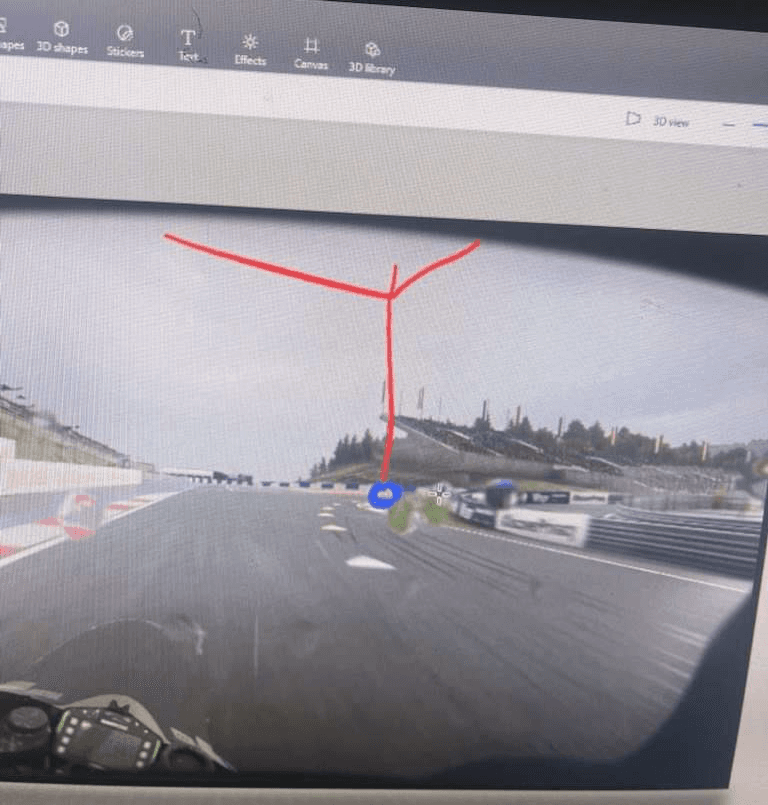
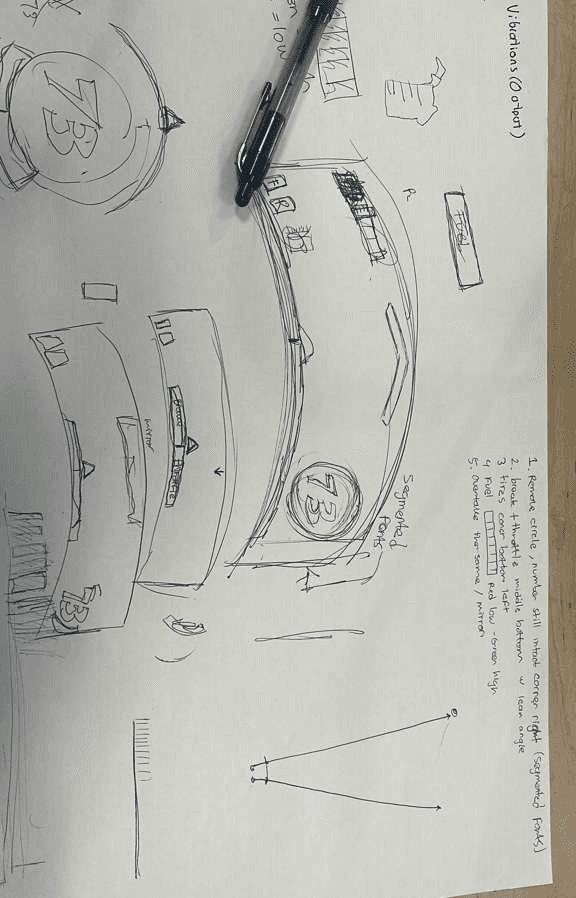
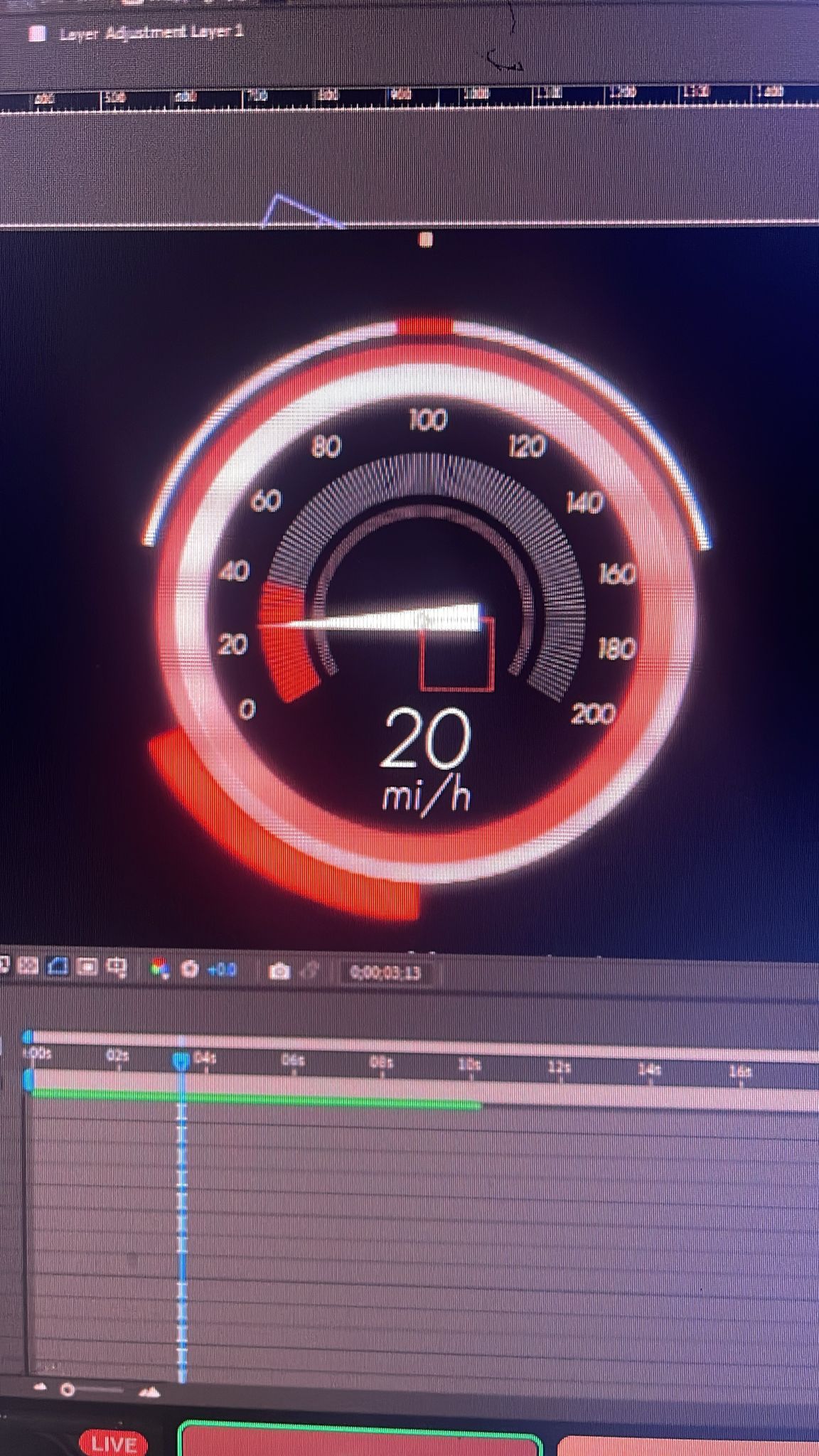
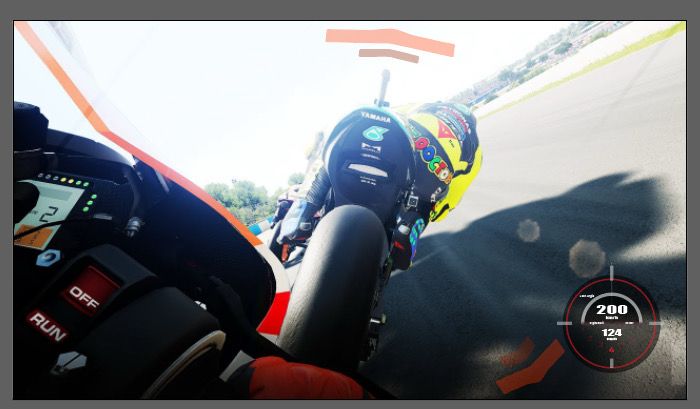
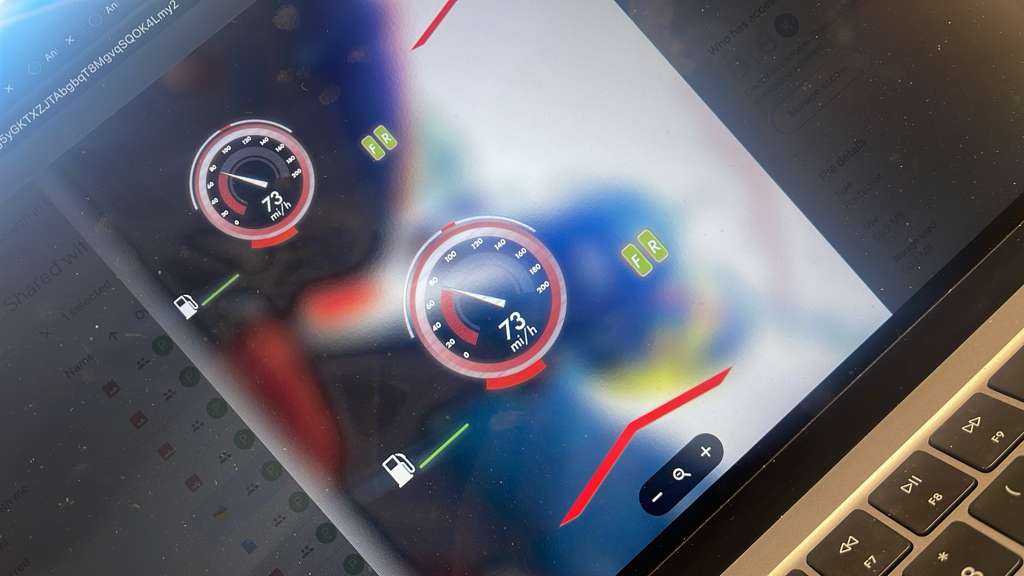
Ideal Racing Line – Displays adaptive trajectory guidance with color-coded indicators for braking, apex, and acceleration precision.
Eye-Tracking Responsiveness – HUD elements appear only when the rider’s gaze seeks information, reducing clutter and preserving attention flow.
Virtual Coach Overlay – A ghost-like AI rider demonstrates optimal line and timing, acting as a live reference throughout training laps.
HUD features
Ideal Racing Line – Displays adaptive trajectory guidance with color-coded indicators for braking, apex, and acceleration precision.
Eye-Tracking Responsiveness – HUD elements appear only when the rider’s gaze seeks information, reducing clutter and preserving attention flow.
Virtual Coach Overlay – A ghost-like AI rider demonstrates optimal line and timing, acting as a live reference throughout training laps.
HUD features
Ideal Racing Line – Displays adaptive trajectory guidance with color-coded indicators for braking, apex, and acceleration precision.
Eye-Tracking Responsiveness – HUD elements appear only when the rider’s gaze seeks information, reducing clutter and preserving attention flow.
Virtual Coach Overlay – A ghost-like AI rider demonstrates optimal line and timing, acting as a live reference throughout training laps.
HUD features
Leverage peripheral vision as part of the interaction model.
Riders emphasized that high-speed racing depends heavily on peripheral awareness, not central fixation. Instead of clustering visuals in the center of the visor, feedback could be subtly distributed toward the edges — allowing racers to receive cues without shifting their focal point from the track. This insight later informed revisions in placement, color intensity, and directional guidance patterns.
Feedback & Iteration
Leverage peripheral vision as part of the interaction model.
Riders emphasized that high-speed racing depends heavily on peripheral awareness, not central fixation. Instead of clustering visuals in the center of the visor, feedback could be subtly distributed toward the edges — allowing racers to receive cues without shifting their focal point from the track. This insight later informed revisions in placement, color intensity, and directional guidance patterns.
Feedback & Iteration
Leverage peripheral vision as part of the interaction model.
Riders emphasized that high-speed racing depends heavily on peripheral awareness, not central fixation. Instead of clustering visuals in the center of the visor, feedback could be subtly distributed toward the edges — allowing racers to receive cues without shifting their focal point from the track. This insight later informed revisions in placement, color intensity, and directional guidance patterns.
Feedback & Iteration
Haptic Feedback
Prototypes
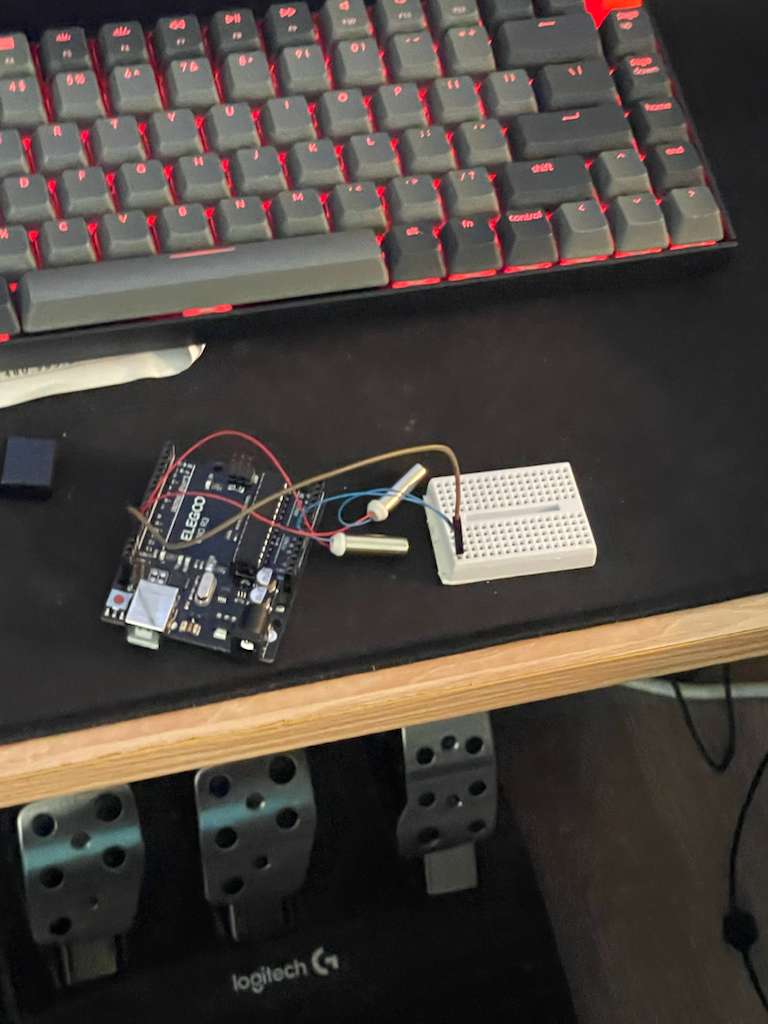
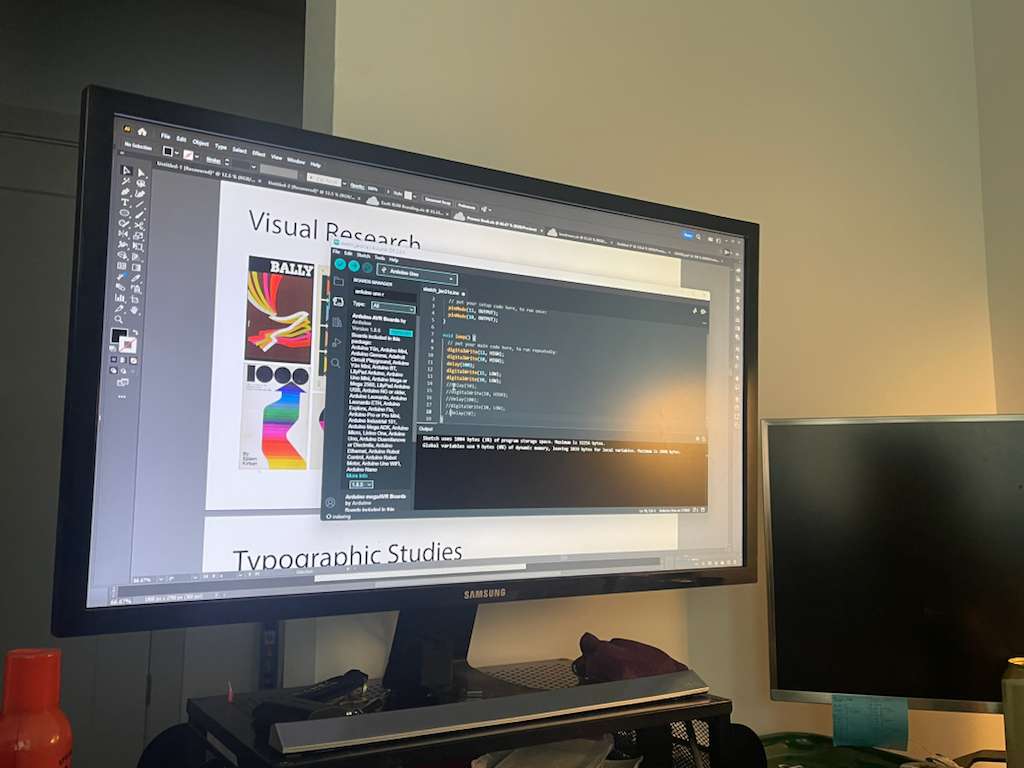
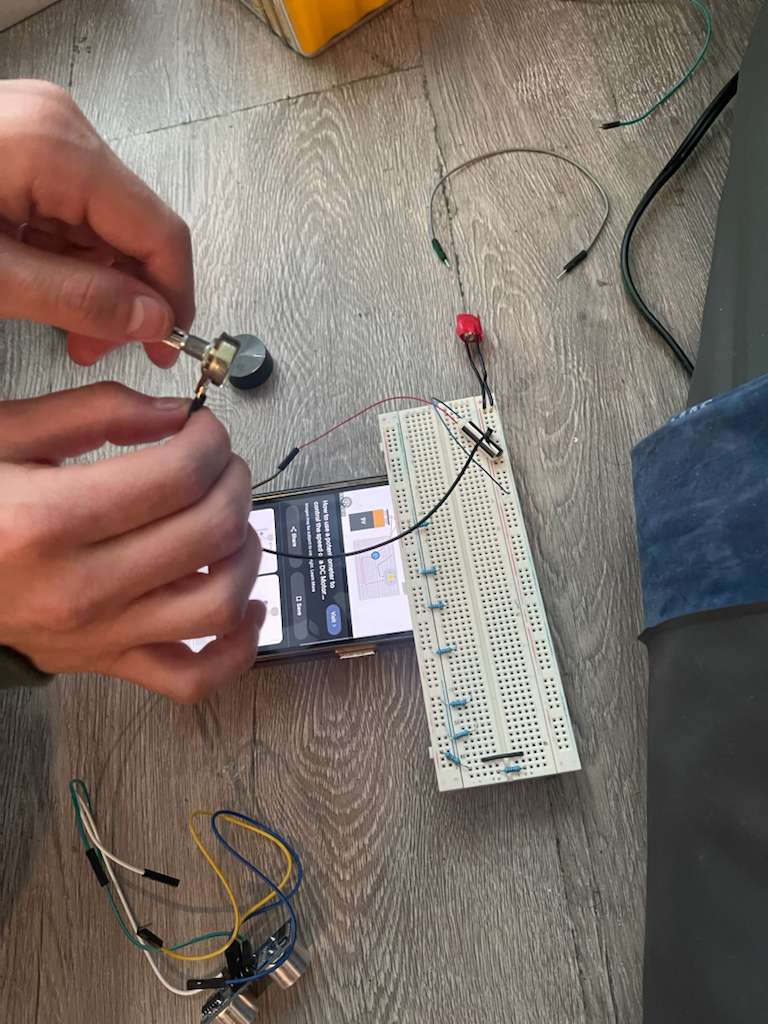
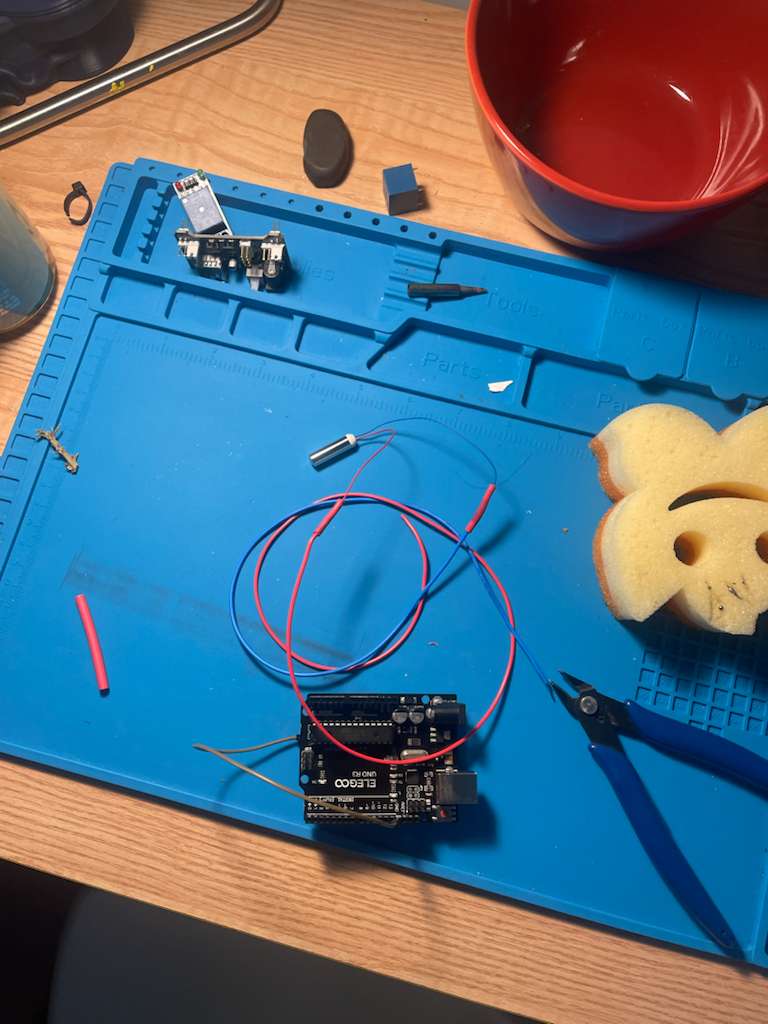
The primary goal of haptic feedback is to provide real-time, tactile sensations directly to the rider, creating an immersive learning experience focused on refining braking and turning timing.
Users have the flexibility to customize the intensity of haptic feedback, allowing for gradual progression and accommodating individual preferences.
Braking Mastery & Turning Precision
The primary goal of haptic feedback is to provide real-time, tactile sensations directly to the rider, creating an immersive learning experience focused on refining braking and turning timing.
Users have the flexibility to customize the intensity of haptic feedback, allowing for gradual progression and accommodating individual preferences.
Braking Mastery & Turning Precision
The primary goal of haptic feedback is to provide real-time, tactile sensations directly to the rider, creating an immersive learning experience focused on refining braking and turning timing.
Users have the flexibility to customize the intensity of haptic feedback, allowing for gradual progression and accommodating individual preferences.
Braking Mastery & Turning Precision
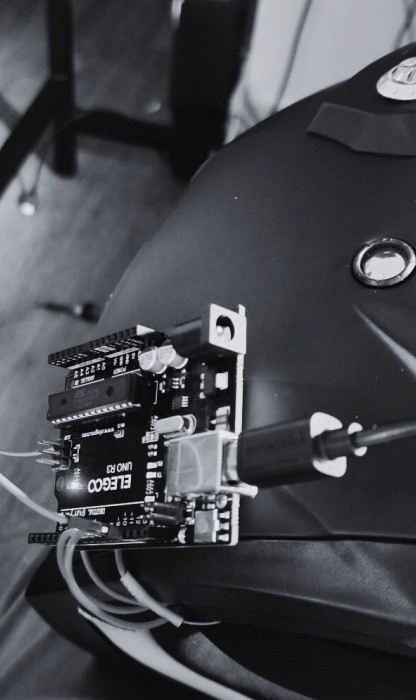
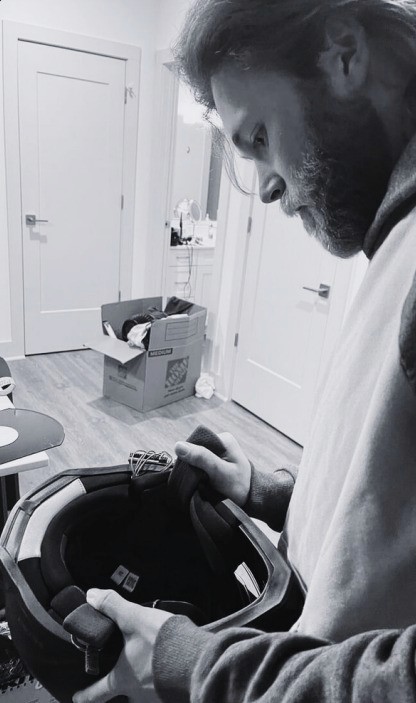
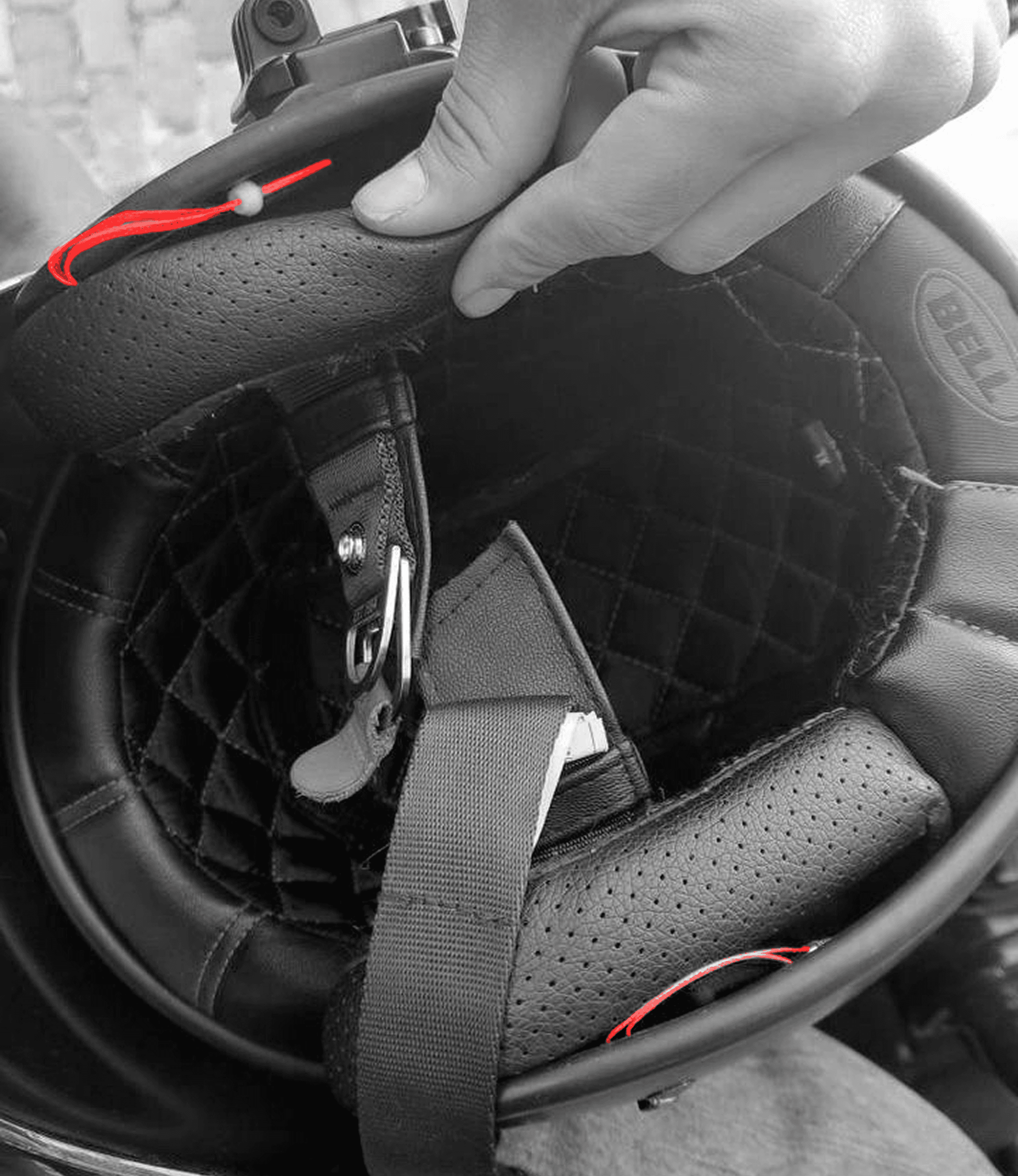
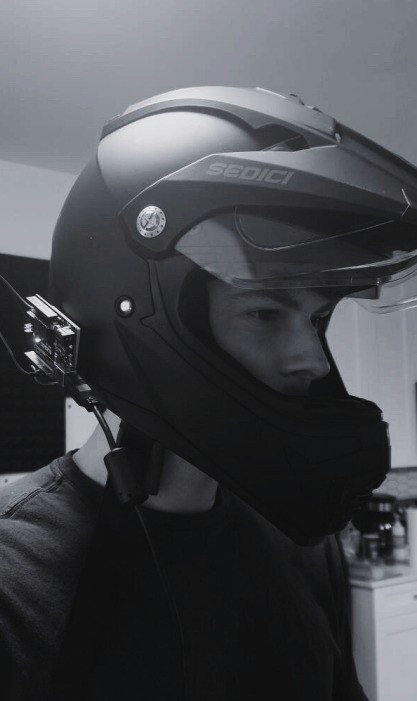
Testers validated the core concept and felt haptic cues were an effective way to deliver in-ride feedback without visual distraction. However, several noted they heard the haptics more than they felt them, prompting a need for stronger tactile tuning. They recommended adaptive haptic intensity — stronger pulses for urgent actions (e.g., braking), subtle ramp-ups for acceleration guidance, and directional rhythmic pulses to indicate turning.
User Insights
Testers validated the core concept and felt haptic cues were an effective way to deliver in-ride feedback without visual distraction. However, several noted they heard the haptics more than they felt them, prompting a need for stronger tactile tuning. They recommended adaptive haptic intensity — stronger pulses for urgent actions (e.g., braking), subtle ramp-ups for acceleration guidance, and directional rhythmic pulses to indicate turning.
User Insights
Testers validated the core concept and felt haptic cues were an effective way to deliver in-ride feedback without visual distraction. However, several noted they heard the haptics more than they felt them, prompting a need for stronger tactile tuning. They recommended adaptive haptic intensity — stronger pulses for urgent actions (e.g., braking), subtle ramp-ups for acceleration guidance, and directional rhythmic pulses to indicate turning.
User Insights
Work In Progress
Prototypes
Digital Helmet Prototype
Prototypes
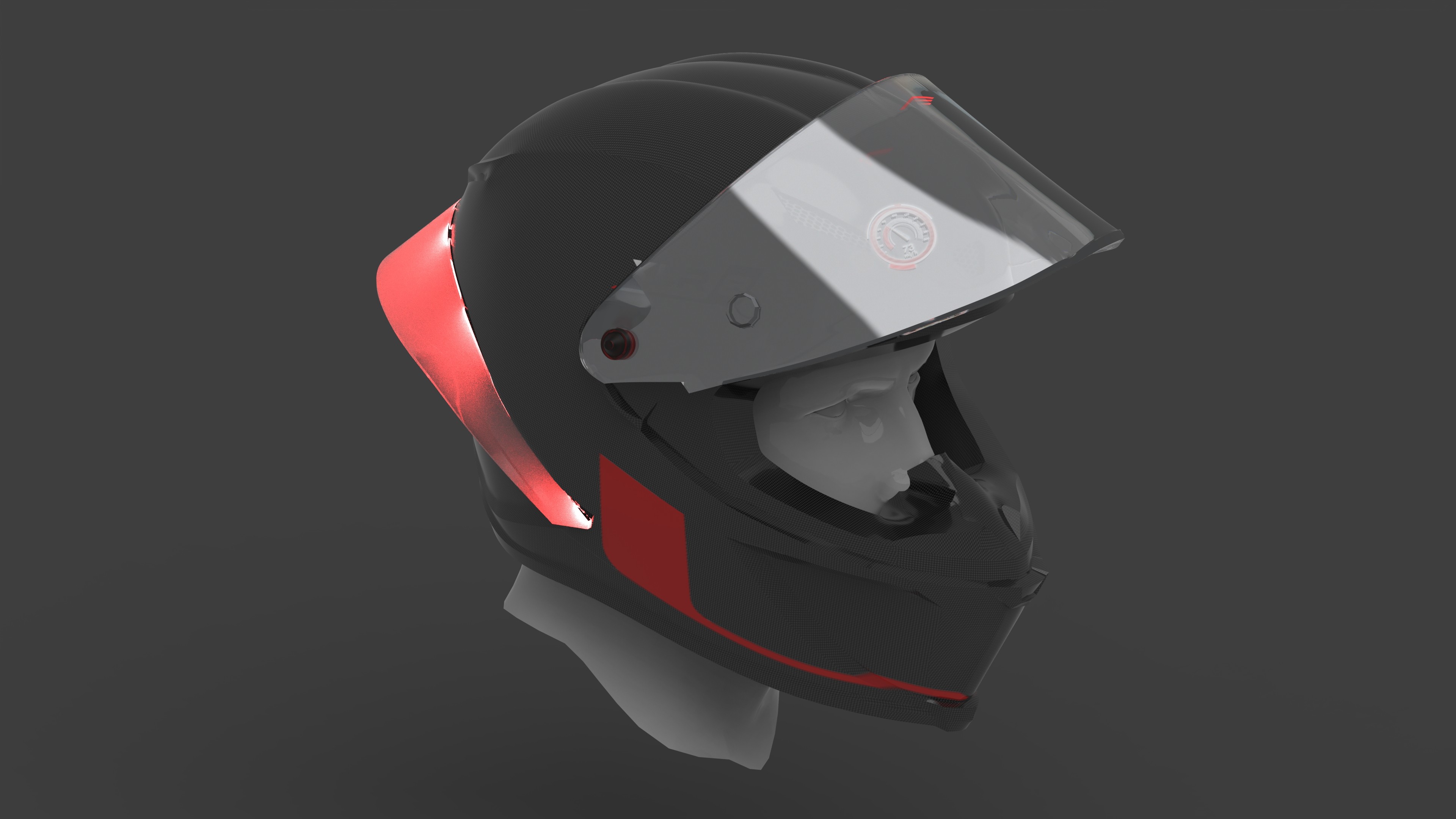
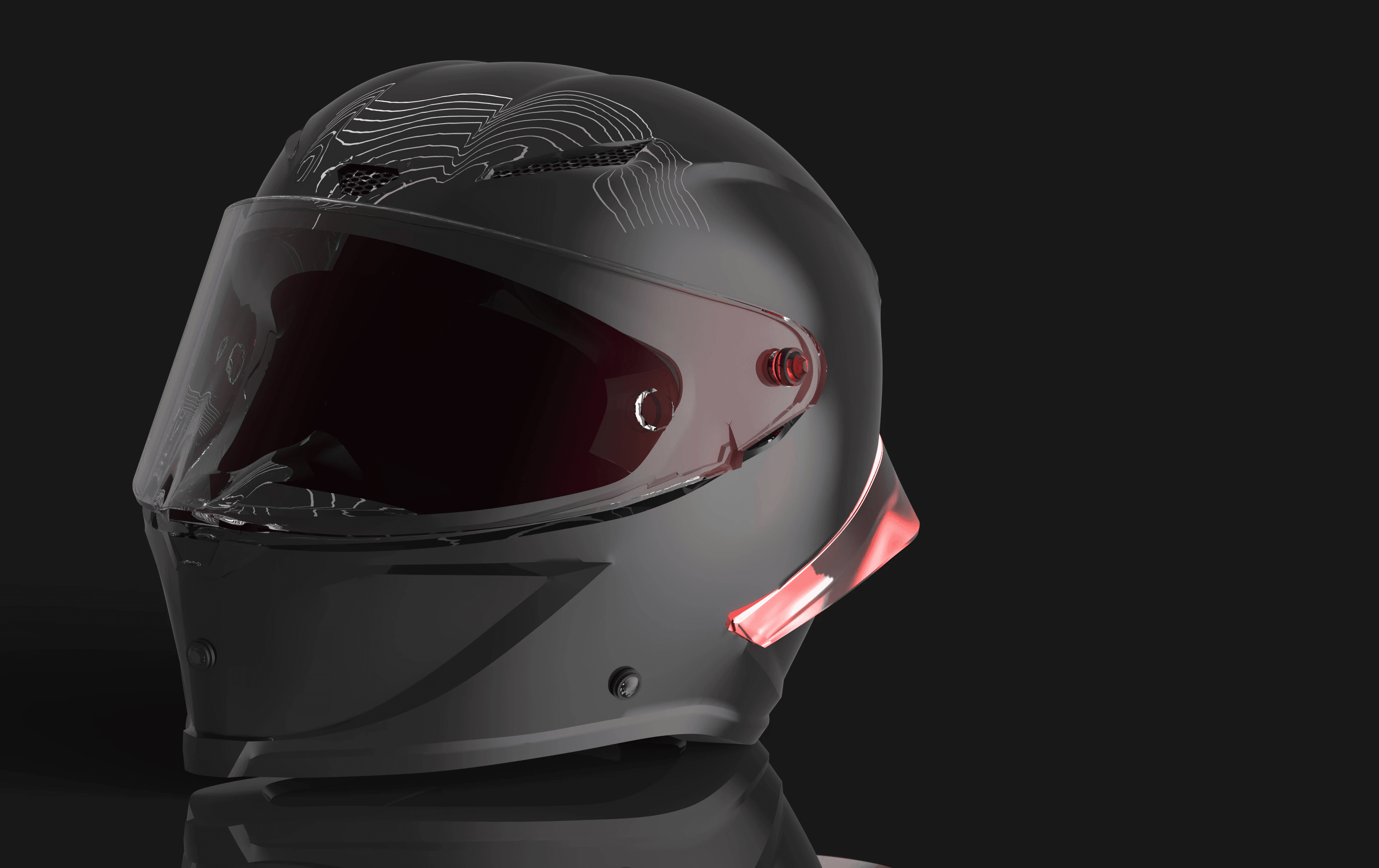
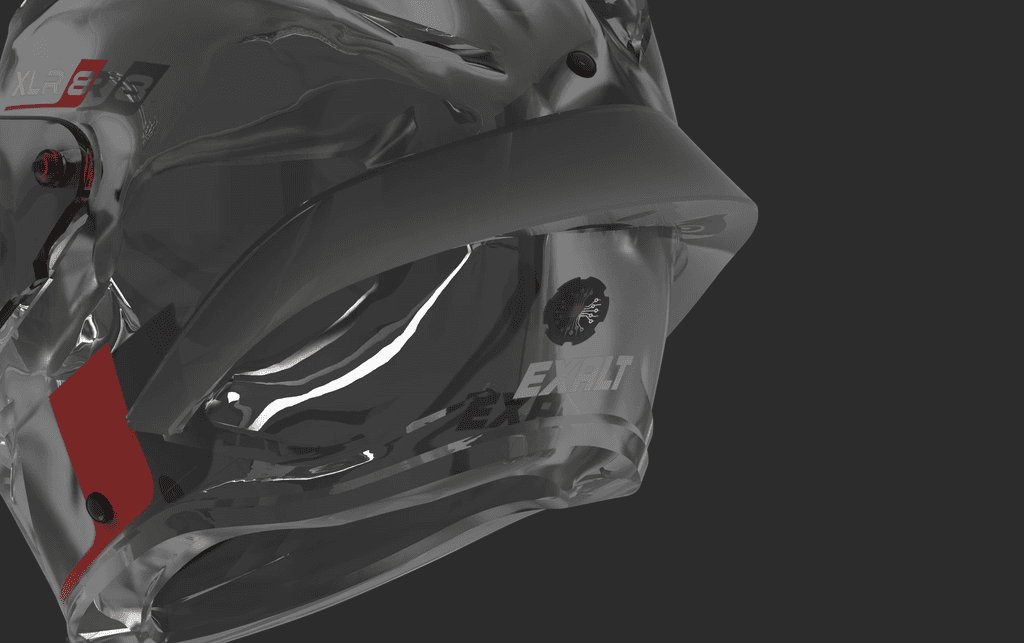
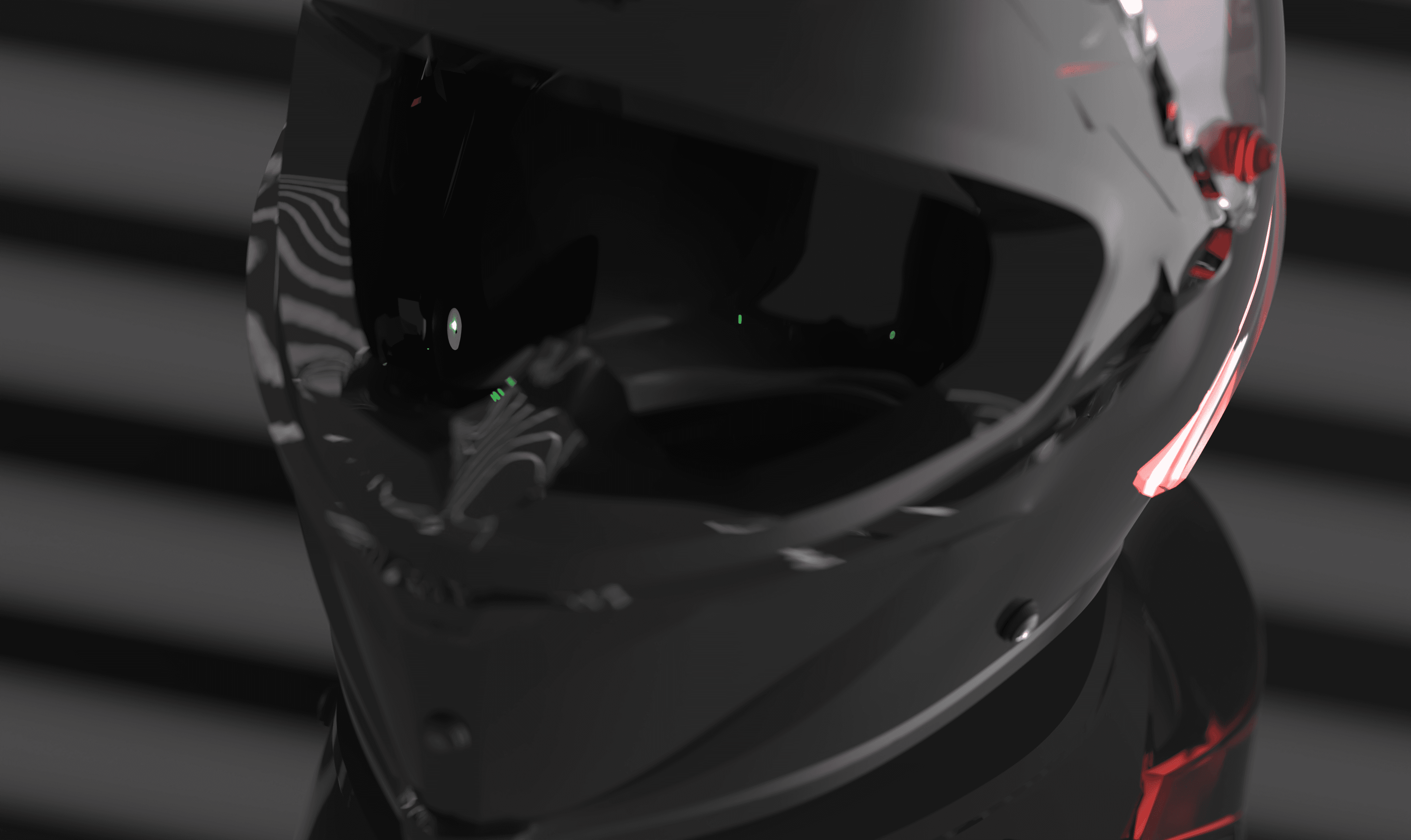
Since building a fully functional helmet was beyond the scope of time and resources available during development, we translated the concept into a high–fidelity digital prototype. Using Rhino for form exploration and Keyshot for material visualization, we were able to model how the headset architecture would integrate components such as the visor HUD, embedded sensors, and the AI chip system responsible for real-time processing.
Helmet Concept Visualization
Since building a fully functional helmet was beyond the scope of time and resources available during development, we translated the concept into a high–fidelity digital prototype. Using Rhino for form exploration and Keyshot for material visualization, we were able to model how the headset architecture would integrate components such as the visor HUD, embedded sensors, and the AI chip system responsible for real-time processing.
Helmet Concept Visualization
Since building a fully functional helmet was beyond the scope of time and resources available during development, we translated the concept into a high–fidelity digital prototype. Using Rhino for form exploration and Keyshot for material visualization, we were able to model how the headset architecture would integrate components such as the visor HUD, embedded sensors, and the AI chip system responsible for real-time processing.
Helmet Concept Visualization
With Model
HUD
Hero Shot #2
The Core
Opened
The brand identity for Exalt XLR8 is designed to communicate speed, precision, and modern engineering. The visual system uses bold geometry and high contrast to reflect the adrenaline and clarity needed in racing environments.
Brand Identity
The brand identity for Exalt XLR8 is designed to communicate speed, precision, and modern engineering. The visual system uses bold geometry and high contrast to reflect the adrenaline and clarity needed in racing environments.
Brand Identity
The brand identity for Exalt XLR8 is designed to communicate speed, precision, and modern engineering. The visual system uses bold geometry and high contrast to reflect the adrenaline and clarity needed in racing environments.
Brand Identity
Exalt Mobile App
Prototypes
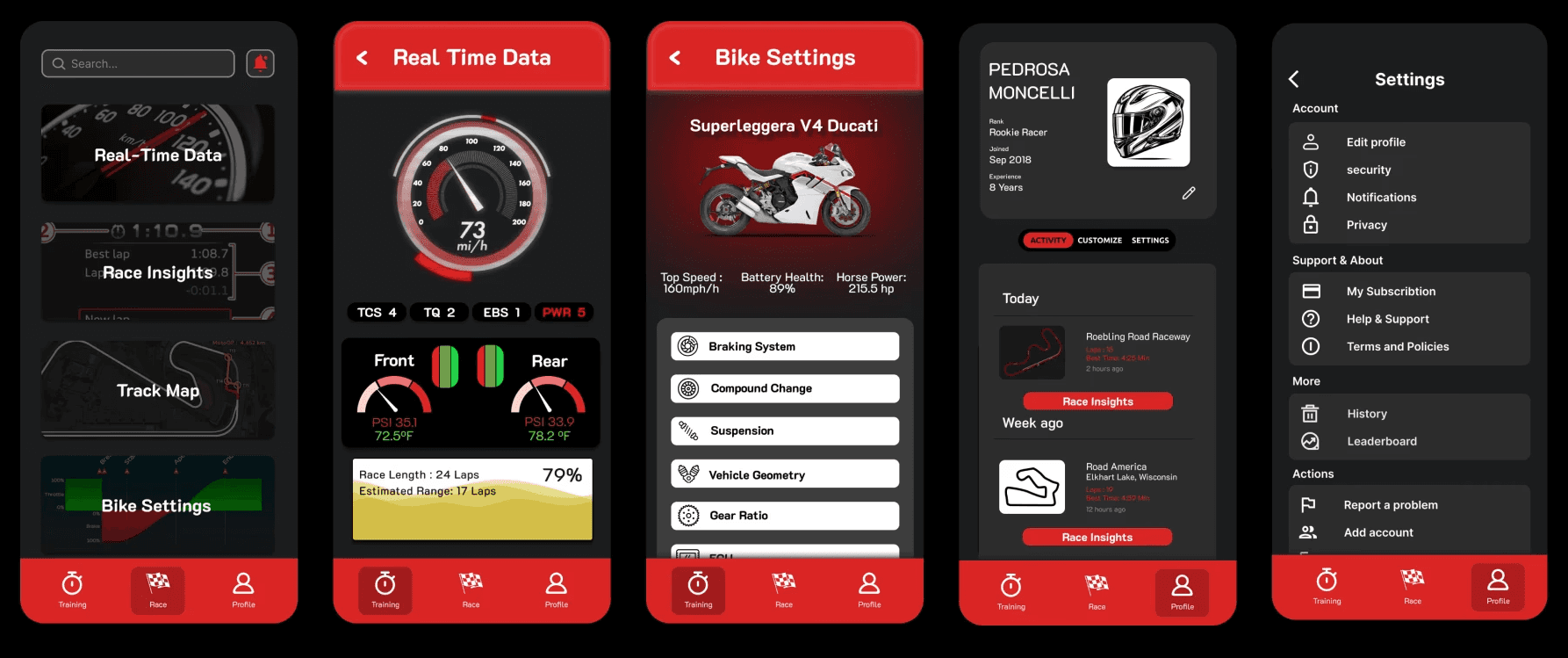
The Exalt mobile app acts as the rider’s off-track command center, extending the helmet’s intelligence into a fully connected coaching ecosystem. It gives racers access to pro-level telemetry, personalized training insights, and bike configuration tools — all packaged in an interface designed for clarity and speed.
Through the app, riders can monitor real-time performance data, review race insights and lap analytics, fine-tune bike setup and geometry, and track their long-term progress through a personalized rider profile. By merging telemetry with coaching, the app turns every session into actionable improvement — helping amateur racers train with the structure and precision of a professional team.
Core Functions
The Exalt mobile app acts as the rider’s off-track command center, extending the helmet’s intelligence into a fully connected coaching ecosystem. It gives racers access to pro-level telemetry, personalized training insights, and bike configuration tools — all packaged in an interface designed for clarity and speed.
Through the app, riders can monitor real-time performance data, review race insights and lap analytics, fine-tune bike setup and geometry, and track their long-term progress through a personalized rider profile. By merging telemetry with coaching, the app turns every session into actionable improvement — helping amateur racers train with the structure and precision of a professional team.
Core Functions
The Exalt mobile app acts as the rider’s off-track command center, extending the helmet’s intelligence into a fully connected coaching ecosystem. It gives racers access to pro-level telemetry, personalized training insights, and bike configuration tools — all packaged in an interface designed for clarity and speed.
Through the app, riders can monitor real-time performance data, review race insights and lap analytics, fine-tune bike setup and geometry, and track their long-term progress through a personalized rider profile. By merging telemetry with coaching, the app turns every session into actionable improvement — helping amateur racers train with the structure and precision of a professional team.
Core Functions
Initial Iteration
Prototypes
Improved Iteration
Prototypes
Packaging Design
Prototypes
Packaging Design
Interior
Small Scale Prototyping
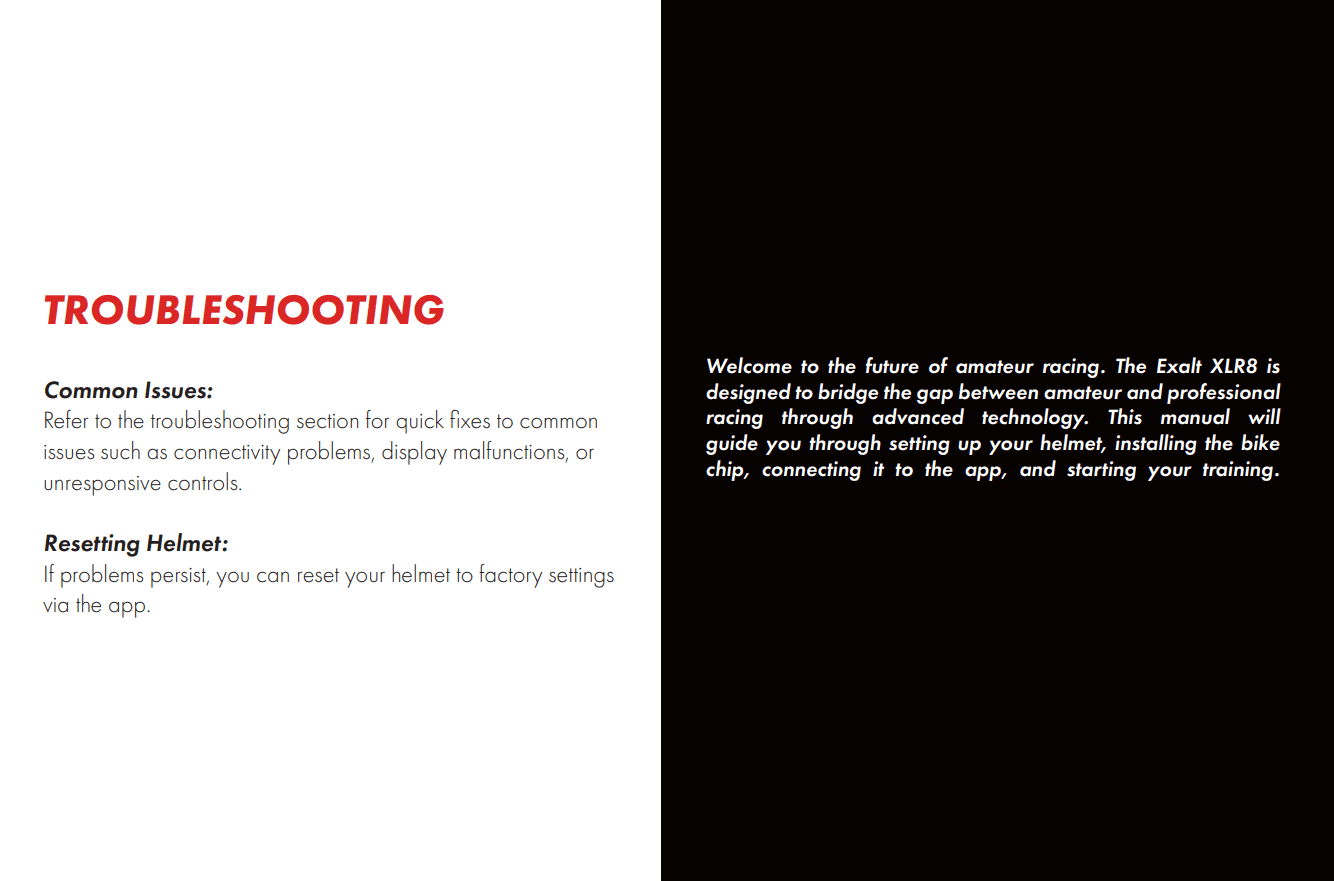
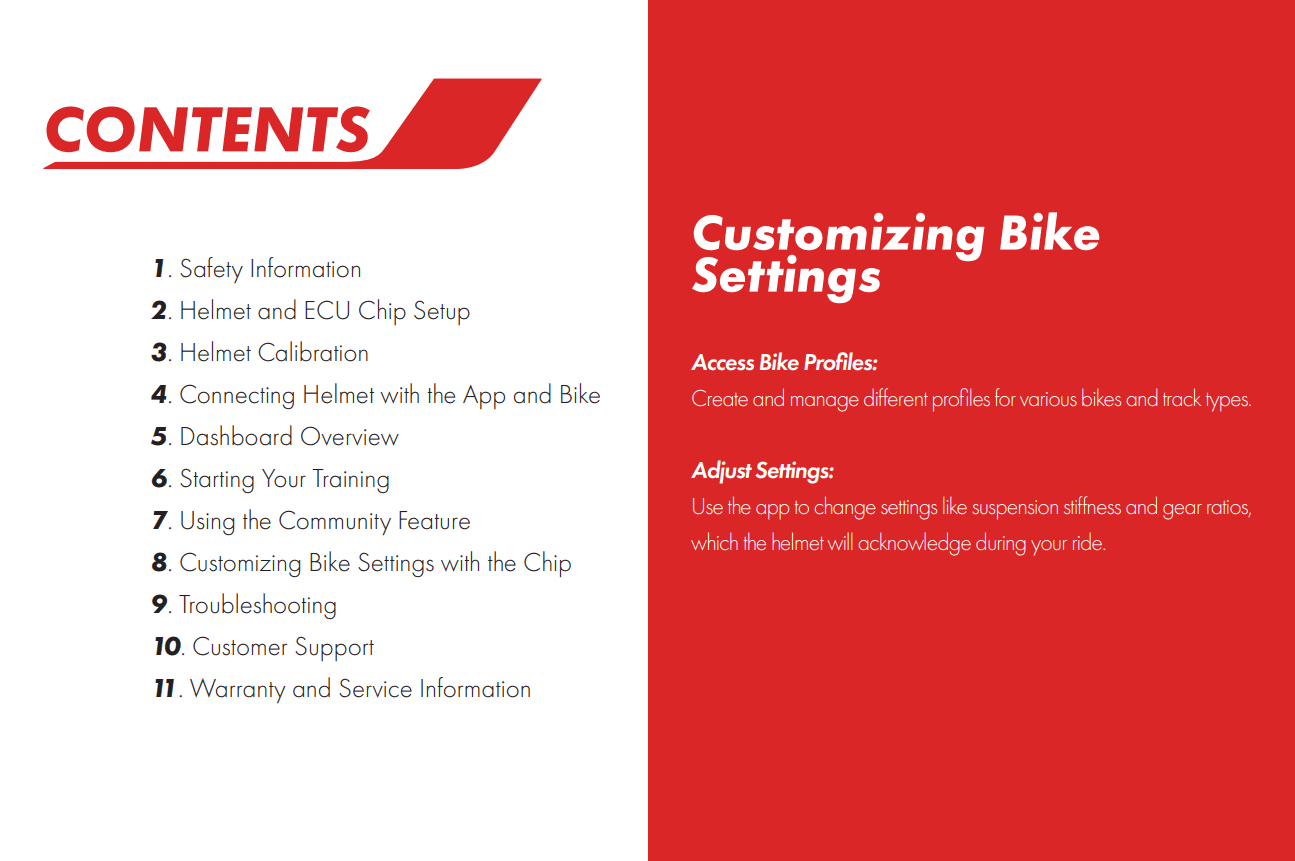
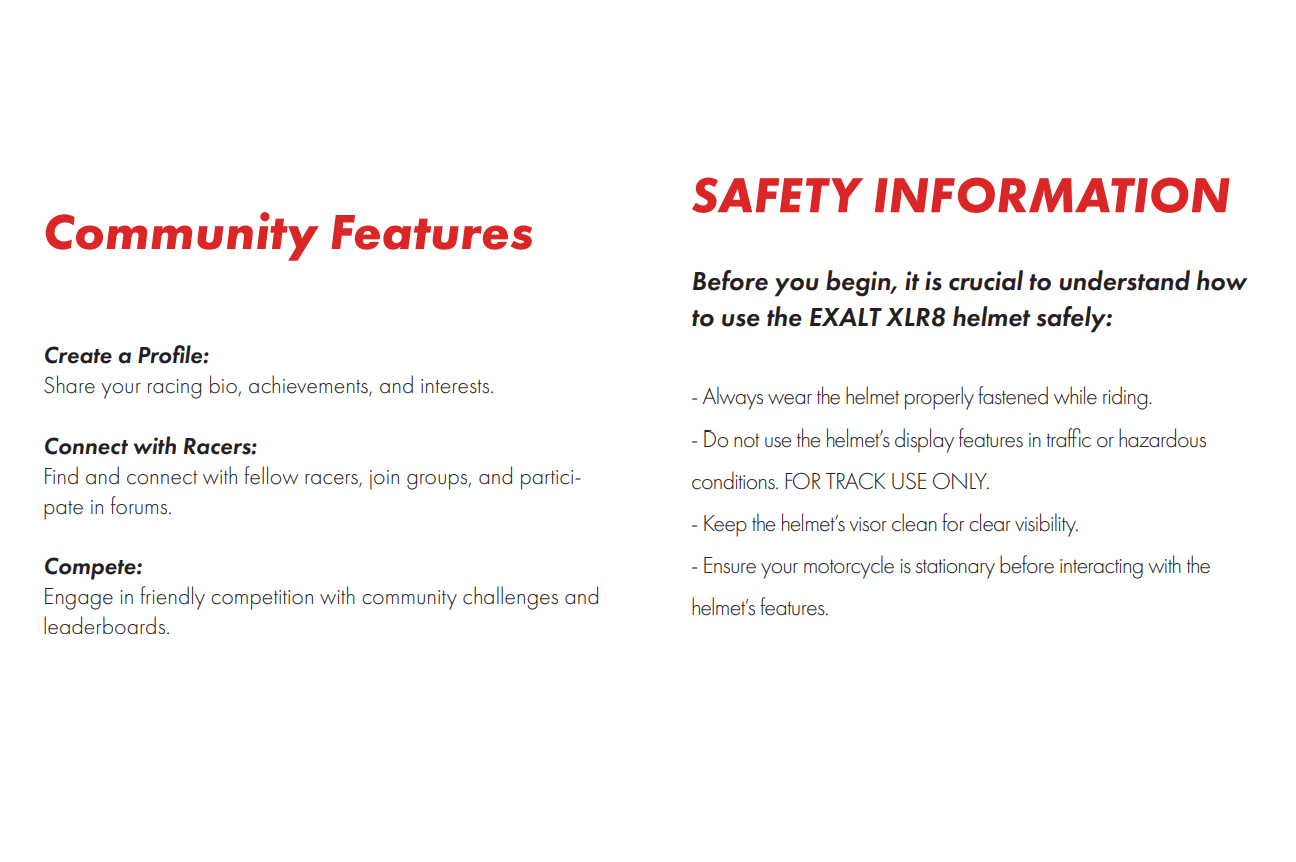
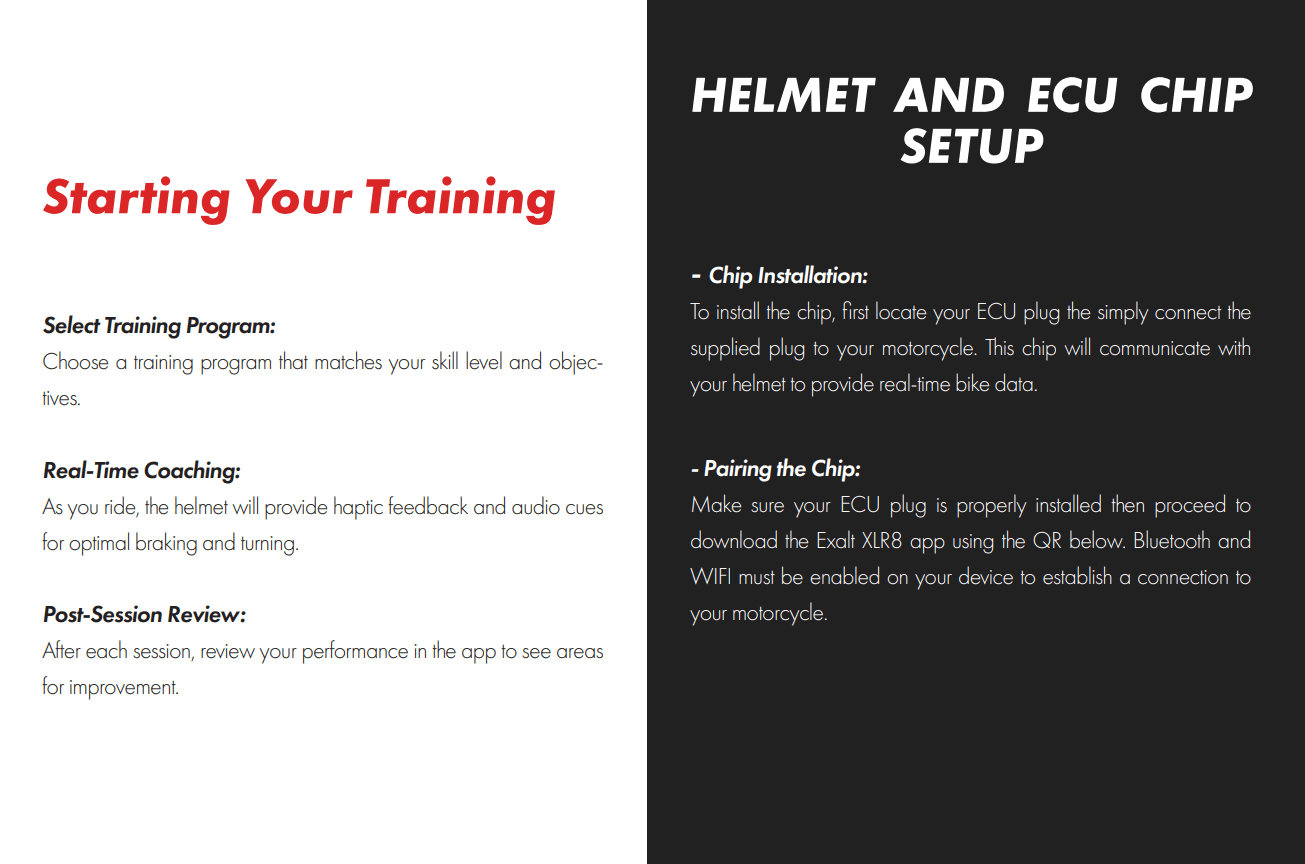
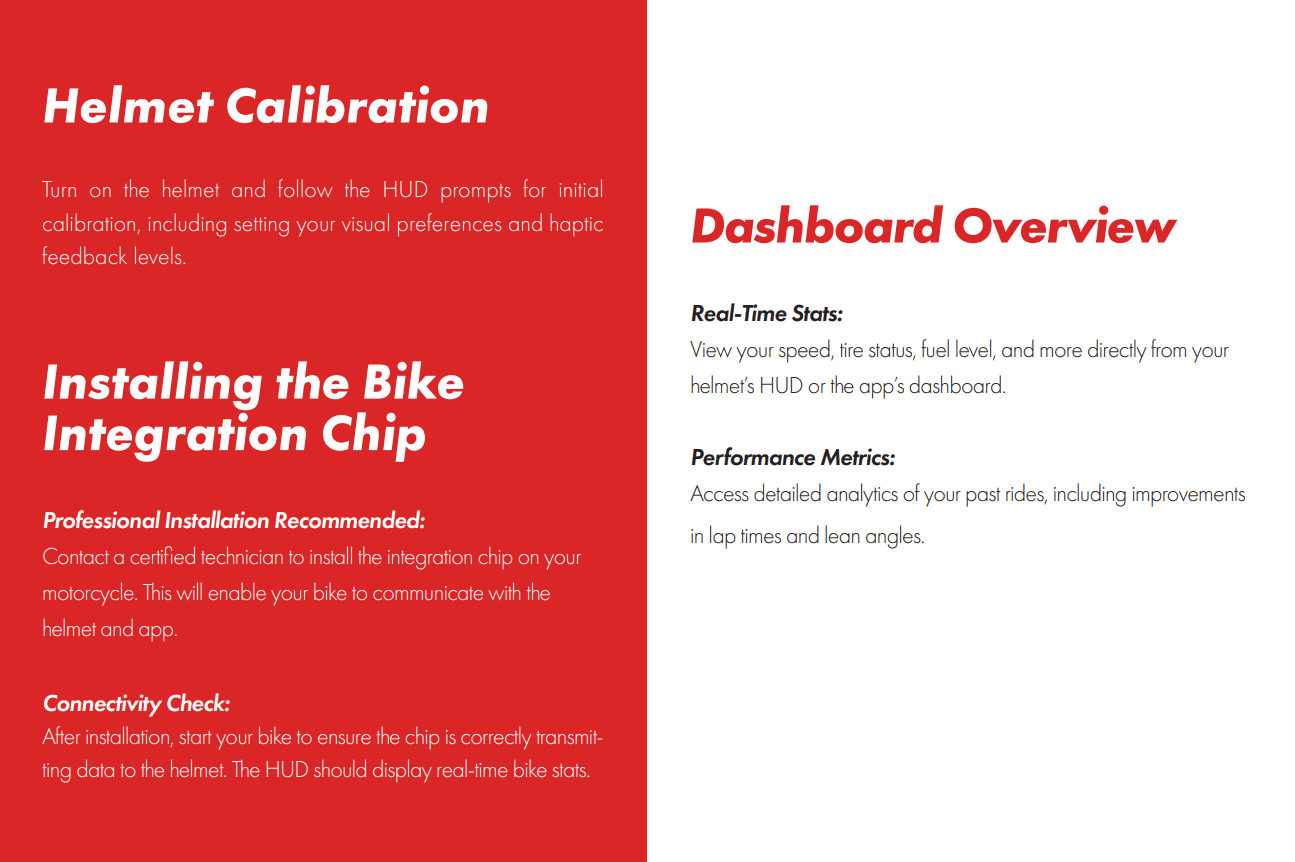
We designed the packaging and manual book as part of the onboarding experience, giving riders a clear introduction to the system from the moment they unbox it. The manual presents setup, calibration, and bike integration in a clean, rider-first format, aligned with the same performance-focused tone as the helmet and app.
Packaging and Manual Book
We designed the packaging and manual book as part of the onboarding experience, giving riders a clear introduction to the system from the moment they unbox it. The manual presents setup, calibration, and bike integration in a clean, rider-first format, aligned with the same performance-focused tone as the helmet and app.
Packaging and Manual Book
We designed the packaging and manual book as part of the onboarding experience, giving riders a clear introduction to the system from the moment they unbox it. The manual presents setup, calibration, and bike integration in a clean, rider-first format, aligned with the same performance-focused tone as the helmet and app.
Packaging and Manual Book

Exalt XLR8
Innovation Project
Exalt XLR8 is a speculative product concept that reimagines amateur motorbike racing through an AI-powered helmet and companion app. It creates a continuous feedback loop to help riders sharpen their skills, track progress, and prepare for the leap toward professional racing, like MotoGP.
Looking ahead, the helmet’s head-up display (HUD) is designed to evolve alongside emerging brain–computer interface (BCI) technology—opening new possibilities once BCIs reach mainstream consumer and entertainment spaces.
Within three months, the project became an Indigo Design Awards Winner for excellence in Product & Gadget Design, recognizing its forward-thinking vision in hardware innovation and human performance augmentation.
Role
UX Researcher
UI Designer
Timeline
January 2024 - March 2024
Team
Piere Pavel
Krishna Aggarwal
Joaquin Bohmer
Stack
Figma
Rhino3D
KeyShot
Adobe AE
More in the Desktop
You are now reading the mobile version of this site. Visit pierepavel.pro with a desktop browser for more detail case study. ;)